Most digital products don’t fail because they look bad. They fail because they’re not designed for how people actually use them.
On paper, everything works. Flows make sense, features are clearly defined, and the interface feels polished. But once it’s placed into a real environment — under time pressure, distractions, and unpredictable behaviour — the gaps start to show.
This is where many products fall apart.
Simplifying pathways
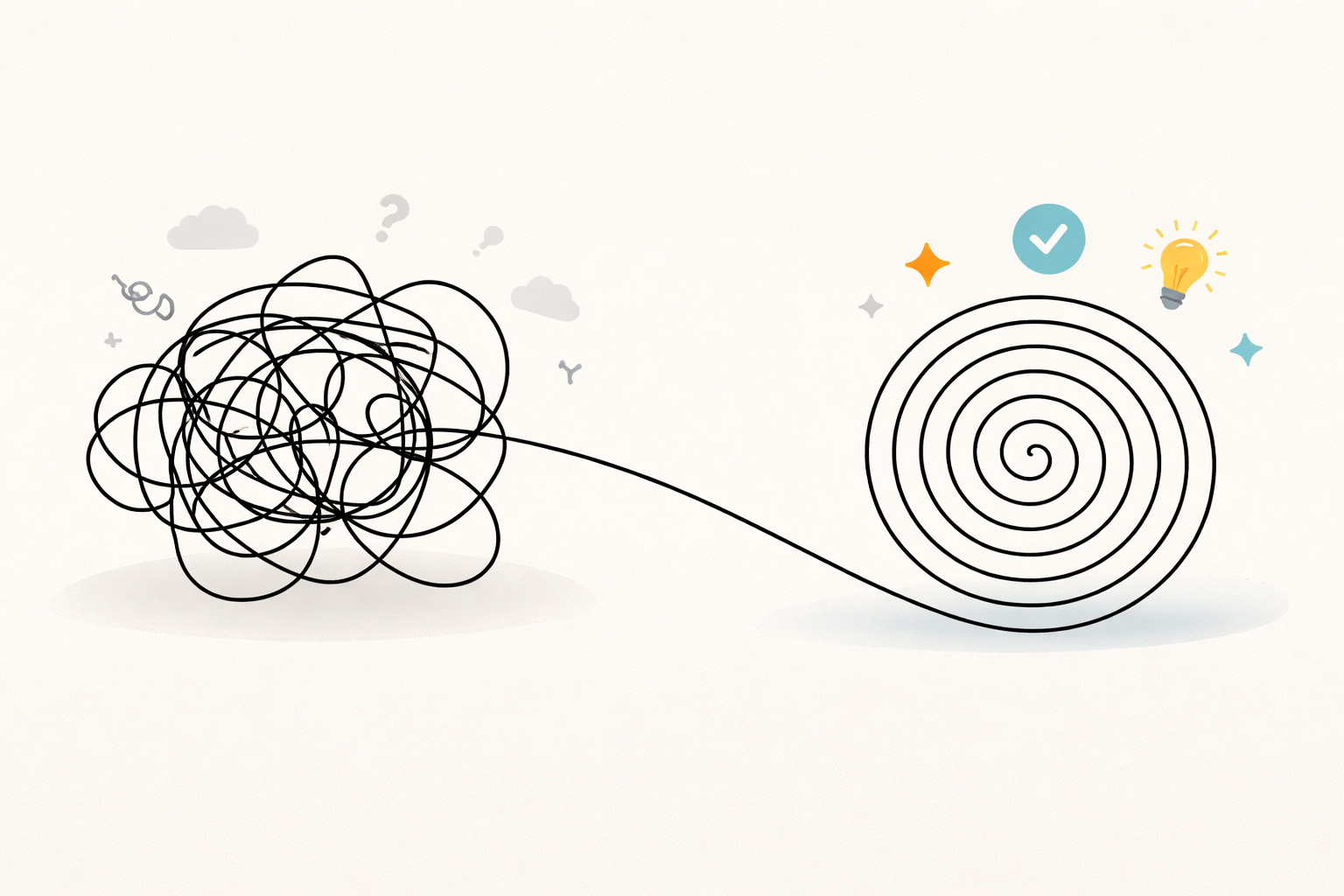
In real-world use, people don’t follow ideal journeys. They skip steps, make mistakes, rush decisions, and rely on instinct. They don’t read carefully. They don’t explore every feature. They just want to complete a task as quickly and simply as possible.
If a system doesn’t support that, it creates friction.
A common issue is overcomplication. Features are added with good intentions, but without enough thought about how they fit into the wider experience. What starts as a useful tool becomes something slower, harder to navigate, and more difficult to understand — especially in high-pressure situations.
Adapting to human behaviour
Clarity is often treated as a visual problem, but it’s really a behavioural one. It’s not just about how something looks, but how quickly someone can understand what to do next without stopping to think.
Another problem is designing for ideal conditions. Many products assume users are focused, patient, and working in a controlled environment. In reality, people are often multitasking, interrupted, or working against time. Good design needs to account for that.
The most effective products are the ones that feel effortless to use, even in difficult conditions. They guide users without overwhelming them, reduce the number of decisions required, and make it easy to recover from mistakes.
This is where real-world experience becomes important. Understanding how people behave outside of controlled environments changes how systems are designed. It shifts the focus from features to outcomes, and from presentation to performance.
Final thoughts
Design isn’t just about creating something that works — it’s about creating something that continues to work when things aren’t perfect.
Because that’s when it matters most.

